As global industries increasingly prioritize environmental responsibility, the aluminium foil sector is undergoing transformative changes to meet sustainability goals. Aluminium foil already holds a strong position as a recyclable and lightweight packaging material, but new eco-friendly innovations are elevating its environmental performance even further. From energy-efficient production processes to advanced recycling technologies and greener coatings, the aluminium foil industry is continuously evolving to reduce carbon footprints and support a circular economy.
This blog explores the latest eco-friendly innovations in aluminium foil production, how they impact sustainability, and why aluminium remains one of the most promising materials in the future of responsible packaging.
Why Sustainability Matters in Aluminium Foil Production
With global demand for packaging rising across food, pharmaceuticals, household goods, and industrial applications, manufacturers are under pressure to produce materials that are both high-performing and environmentally conscious. Aluminium foil, known for its durability, barrier properties, and versatile uses, naturally stands out as a sustainable option due to its recyclability. However, traditional foil production processes can be energy-intensive, prompting the industry to innovate new methods that reduce emissions, conserve resources, and optimize energy use.
These innovations are essential for reducing environmental impact while meeting the growing demand for more eco-friendly packaging materials.
1. Energy-Efficient Rolling and Production Technologies
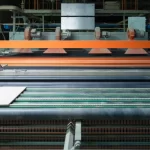
The production of aluminium foil involves multiple stages—casting, hot rolling, cold rolling, annealing, and finishing—all of which require significant energy. Modern manufacturers are integrating advanced energy-efficient rolling technologies to minimize energy consumption. High-performance rolling mills equipped with intelligent automation, variable-speed drives, and low-friction lubrication systems help reduce electricity usage without compromising output quality.
Several plants now use regenerative burners and heat recovery systems to capture wasted heat during annealing and reuse it, lowering overall fuel consumption. Smart systems that monitor rolling pressure, temperature, and power consumption in real-time further help reduce unnecessary energy expenditure, making the entire foil production process more sustainable.
2. Increasing Use of Recycled Aluminium in Foil Production
One of the most significant eco-friendly breakthroughs in aluminium foil production is the increased use of recycled aluminium. Recycling aluminium saves up to 95% of the energy required to produce primary aluminium from bauxite. By using recycled content, manufacturers significantly reduce carbon emissions and conserve natural resources.
Many foil manufacturers now integrate high percentages of post-consumer recycled aluminium (PCR) into their raw material mix. This shift not only supports circular economy principles but also helps reduce waste in landfills. The quality of recycled aluminium today is as good as virgin material when processed correctly, making it a viable and sustainable option for food and pharmaceutical packaging applications.
3. Water-Based & Non-Toxic Coatings
Traditional coatings on aluminium foil often involve solvent-based chemicals that release volatile organic compounds (VOCs) into the atmosphere. In response to growing environmental regulations and consumer expectations, the industry is shifting toward water-based and bio-based coatings.
These eco-friendly coatings are free from harmful solvents and significantly reduce emissions during production. Water-based lacquers also improve workplace safety, reduce odors, and ensure compliance with FDA and EU food-contact standards. Innovations in organic polymer coatings have also enhanced the heat-seal and barrier properties of coated foil, making it safer and more sustainable without sacrificing performance.
4. Development of Recyclable Laminates
One of the biggest challenges in the aluminium foil packaging sector has been multi-layer laminates that combine foil with plastic or paper. Many of these structures are difficult to recycle because separating the layers requires specialized machinery.
To address this issue, manufacturers are developing fully recyclable mono-material laminates. These laminates either use aluminium foil combined with a single recyclable polymer or use new metallization techniques that reduce the need for plastic altogether. New bonding technologies also allow easier separation of layers, simplifying recycling and reducing waste.
Recyclable laminates make it possible for products like snack pouches, beverage sachets, and ready-meal packs to move toward complete sustainability.
5. Low-Carbon Aluminium (Green Aluminium)
Another groundbreaking innovation is the production of green aluminium, manufactured with renewable energy sources such as hydropower, wind, and solar. Aluminium smelters are increasingly located in regions with abundant renewable energy supplies, significantly reducing the carbon footprint of aluminium foil.
Green aluminium has up to 70% lower carbon emissions compared to conventionally produced aluminium. Several global brands are already adopting green aluminium foil in packaging to meet their sustainability commitments. As energy grids become greener worldwide, the adoption of low-carbon aluminium will continue to expand rapidly.
6. Reduced Thickness Foils for Material Optimization
Advancements in rolling technology have enabled the production of ultra-thin foils without compromising strength or barrier performance. By reducing foil thickness, manufacturers use less aluminium per unit, conserving resources and reducing the overall environmental impact.
Ultra-thin foils are particularly popular in confectionery, dairy, and pharmaceutical applications. Despite being lighter, they maintain effective protection due to aluminium’s naturally high barrier properties. This “lightweighting” strategy helps reduce transportation emissions and material costs, making it a win-win for sustainability and efficiency.
7. Digital Monitoring & AI-Powered Production
Smart manufacturing and AI-driven systems are playing a major role in enhancing the sustainability of aluminium foil production. Digital monitoring tools track energy usage, raw material efficiency, surface quality, and machine performance in real time. AI algorithms predict defects before they occur, minimizing waste and improving overall production efficiency.
Predictive maintenance reduces downtime, conserves resources, and ensures equipment operates at optimal efficiency. By reducing scrap rates and enhancing precision, these technologies help manufacturers produce aluminium foil with reduced environmental impact.
8. Waste Reduction & Closed-Loop Recycling Systems
Many aluminium foil manufacturers are implementing closed-loop systems where production scrap—such as trimmings and off-spec material—is collected, melted, and reused onsite. This reduces the need for fresh raw materials and minimizes waste generation.
Modern melting furnaces are designed to reduce oxidation losses, improve energy efficiency, and reduce emissions during scrap melting. The move toward cleaner, high-efficiency furnaces supports the broader industry goal of zero-waste production.
Eco-friendly innovations in aluminium foil production are driving the industry toward a more sustainable future. With the shift to recycled aluminium, water-based coatings, green energy, recyclable laminates, and digital manufacturing technologies, the foil sector is positioned to meet rising global demand while minimizing environmental impact.
As brands and consumers increasingly prioritize sustainable packaging, aluminium foil stands out as one of the most promising materials due to its recyclability, performance, and versatility. The advancements in eco-friendly foil production not only support climate goals but also ensure that industries continue to rely on aluminium as a reliable and responsible packaging solution.