1. What Is Aluminium Foil Used in Food Packaging?
Aluminium foil is a thin, rolled sheet of aluminium—often ranging from 6 microns to 40 microns in thickness—designed to provide an effective barrier against moisture, oxygen, bacteria, temperature changes, and contaminants. It is widely used for:
- Wrapping food products
- Creating pouches, sachets, and laminates
- Heat-sealed lids for containers
- Blister packaging for dry foods
- Oven-safe and freezer-safe containers
- Retort pouch applications
- Household kitchen foil
Its unique combination of strength, flexibility, barrier performance, and sustainability makes it indispensable for food packaging.
2. Key Benefits of Aluminium Foil in the Food Industry
Below are the most important reasons why aluminium foil remains the top choice for food manufacturers worldwide.
2.1 Excellent Barrier Properties
Aluminium foil is a 100% barrier against:
- Oxygen
- Water vapor
- Light
- Bacteria
- Odours
- Contaminants
This means packaged food remains protected from the external environment throughout its shelf life—one of the strongest advantages over paper, plastic, or biodegradable materials.
2.2 Preserves Freshness & Extends Shelf Life
The top requirement of any food product is long-lasting freshness, and aluminium foil delivers exactly that. It prevents oxidation, moisture absorption, and flavor loss. This is why foil is indispensable for:
- Chocolate packaging
- Snacks
- High-fat foods like butter
- Dairy products
- Ready meals
- Bakery items
- Frozen meals
Longer shelf life reduces food wastage and improves transportation efficiency.
2.3 Heat Resistant & Freezer Compatible
Aluminium foil can withstand:
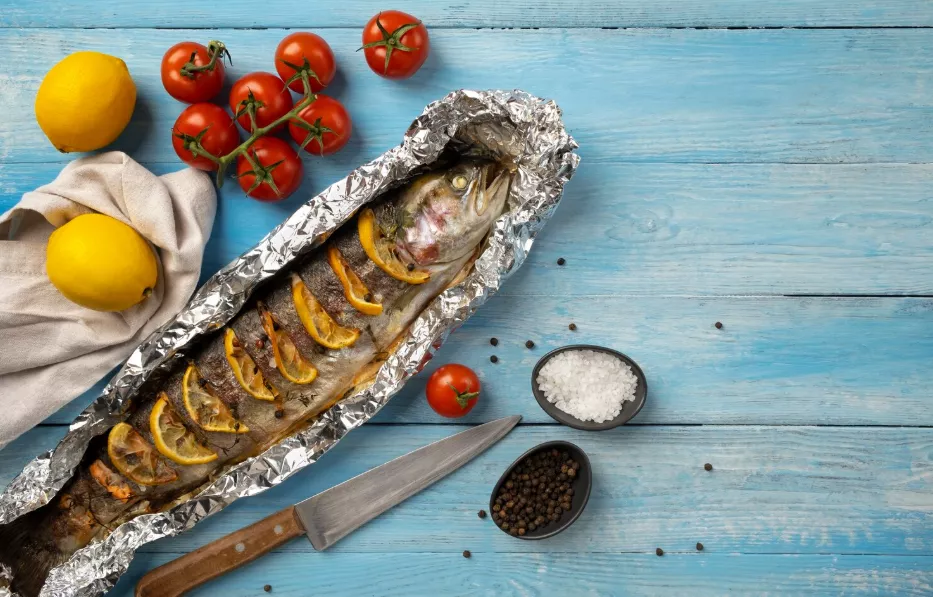
- High temperatures — suitable for baking, roasting, grilling
- Low temperatures — ideal for freezing and cold storage
It does not deform or release chemicals under heat, unlike many plastics.
2.4 Lightweight but Strong
One of the most fascinating characteristics of aluminium foil is its high strength-to-weight ratio. It can create strong packaging with minimal material usage, reducing:
- Transportation costs
- Storage cost
- Packaging weight
This contributes significantly to resource efficiency.
2.5 Hygienic, Non-Toxic & Safe for Food Contact
Aluminium foil is:
- Clean
- Odorless
- Tasteless
- Non-absorbent
- Highly sterile
It does not react with most foods, making it safe and compliant for direct contact.
2.6 Recyclable & Environment-Friendly
Aluminium can be recycled infinitely without losing quality. Recycling aluminium uses 95% less energy than primary production.
This makes it more sustainable than many plastic-based materials.
3. Applications Across the Food Packaging Industry
Aluminium foil is used in virtually every segment of food packaging.
3.1 Confectionery & Chocolate Packaging
Foil protects chocolate from light, moisture, and melting.
3.2 Dairy Industry
Used for:
- Butter wraps
- Cheese packaging
- Foil lids on yogurt cups
3.3 Snacks & FMCG
Flexible packaging foils combined with PET or paper create premium packaging for chips, biscuits, and dry snacks.
3.4 Bakery Products
Used for:
- Muffin trays
- Baking sheets
- Heat-sealed packs
3.5 Ready-to-Eat Meals
Retort packaging using foil laminates enables long shelf life without refrigeration.
3.6 Frozen Foods
Foil wraps maintain taste, texture, and freshness under freezing conditions.
3.7 Beverage Seals
Foil lids protect juices, milk, water bottles, and energy drinks.
3.8 Takeaway & Delivery Packaging
Foil containers keep food warm and hygienic during transportation.
3.9 Household Use
Every home uses foil for:
- Storage
- Baking
- Wrapping
- Insulating
4. Innovations & Future Trends
The aluminium foil industry is moving towards:
• Ultra-thin foils
• High-barrier laminates
• Smart packaging with QR/AR features
• Anti-bacterial coatings
• Recyclable multi-layer materials
• Foil for electric vehicle battery components
Future packaging will be lighter, safer, and more sustainable.
Aluminium foil is one of the most revolutionary materials in the modern food packaging industry. Its unparalleled barrier properties, hygiene standards, heat resistance, and recyclability make it unmatched by any other packaging alternative. From chocolates to dairy, snacks to ready meals, aluminium foil ensures freshness, safety, and quality throughout the supply chain.
As consumers demand more sustainable and high-performance packaging, aluminium foil continues to stand as a material of choice—driving innovation, reducing waste, and enabling manufacturers to deliver better, safer, and more reliable food products.
Whether you are a food producer, packaging manufacturer, distributor, or industry researcher, understanding the benefits and requirements of aluminium foil is essential for making informed decisions and staying ahead in the competitive food packaging landscape.